Uganda
Ask BIRDC for the current retail, institutional and distribution list.
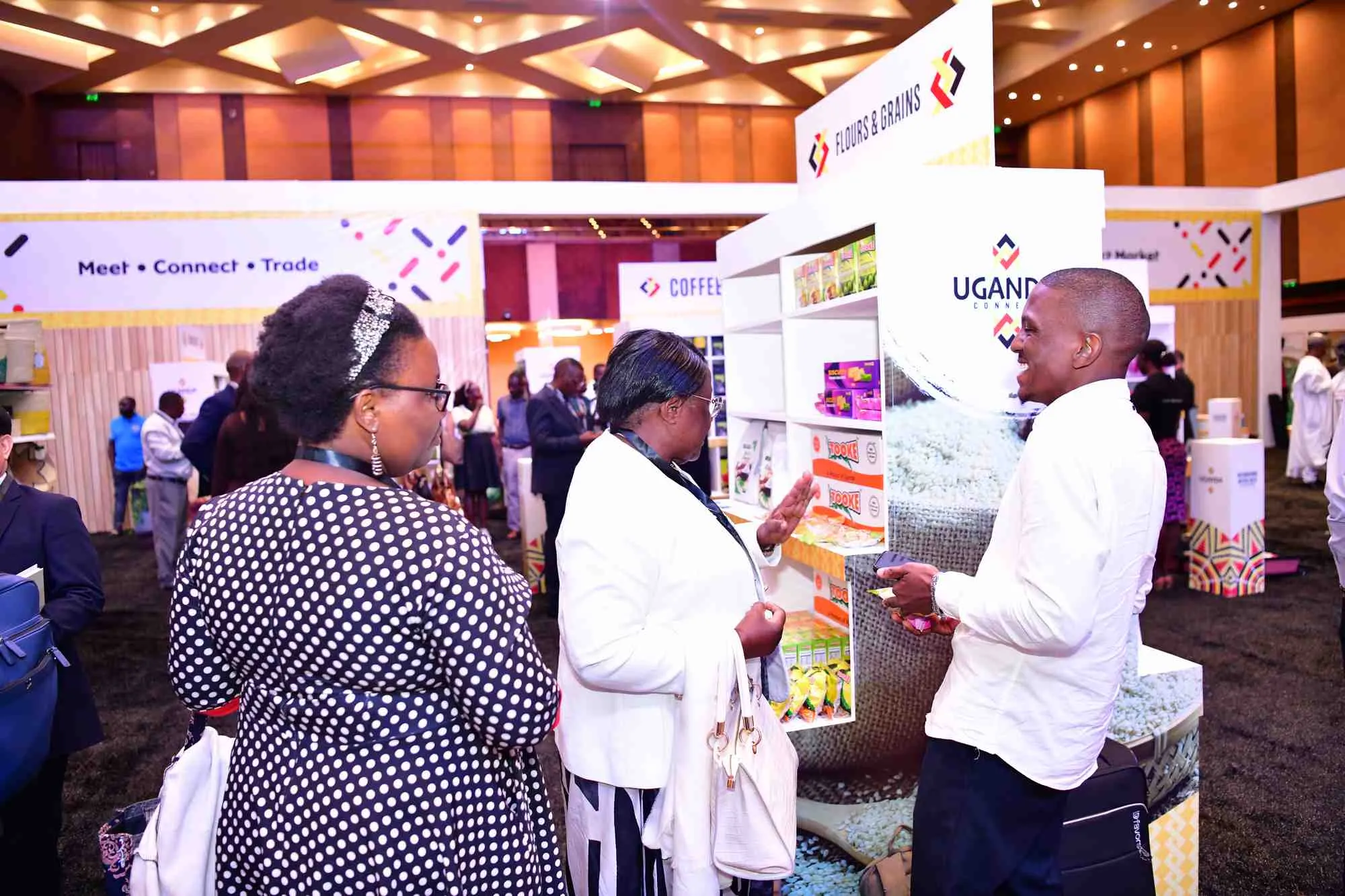
BIRDC's impact is tied to farmer training, banana processing capacity, Tooke product markets, and the circular use of banana materials.
Stated current daily processing capacity
Stated daily expansion target
Current farmer and programme data
Current market and sales data
BIRDC serves as a market pathway for smallholder banana farmers in Bushenyi District and the surrounding areas. By converting raw matooke into banana flour and other products, the institution creates additional demand for quality banana supply.
The farmer extension programme at the Nyaruzinga facility trains growers in practical agronomic techniques, post-harvest handling, and value addition. Current farmer counts and programme results should be requested from BIRDC for formal reporting.
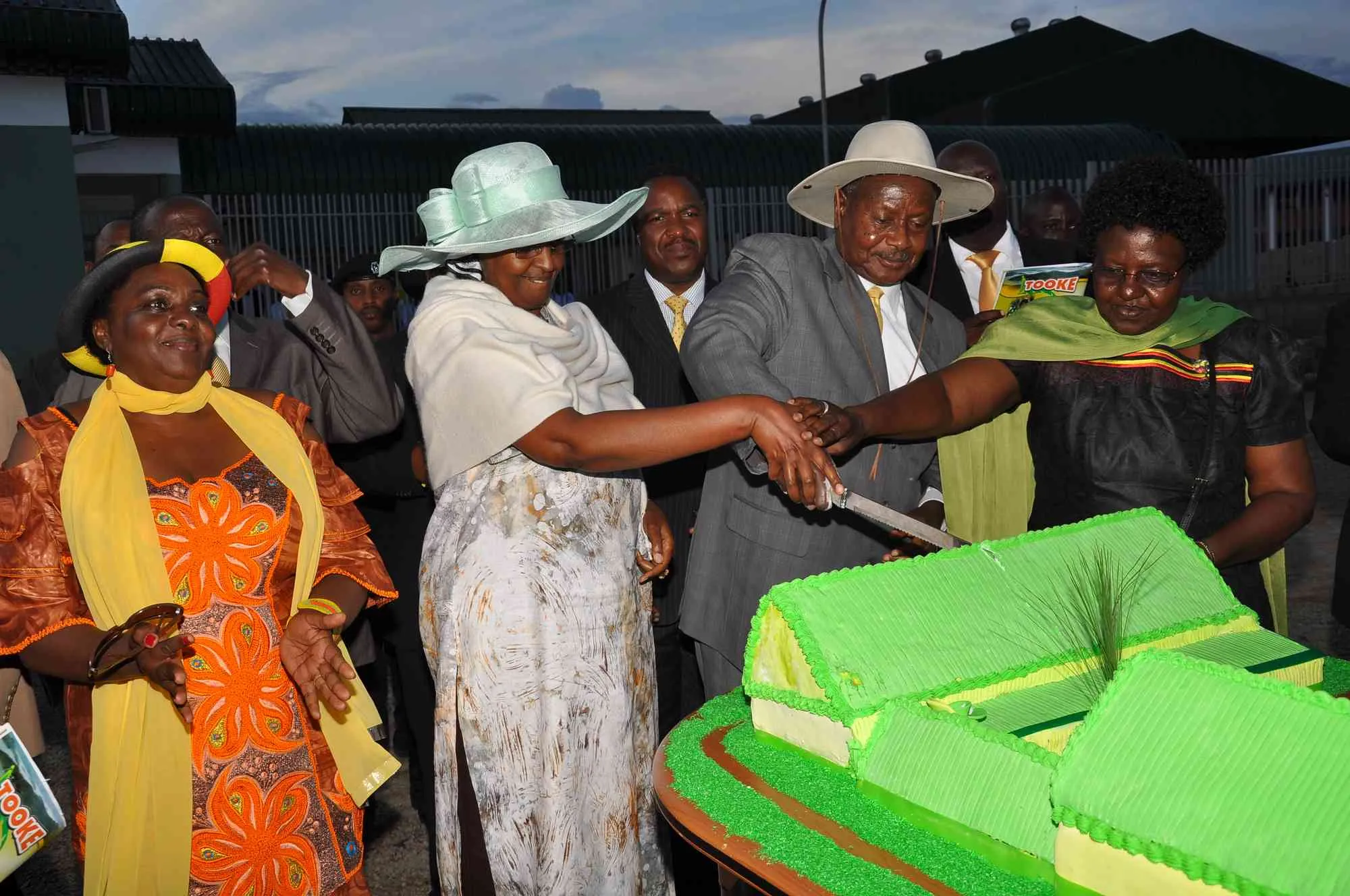
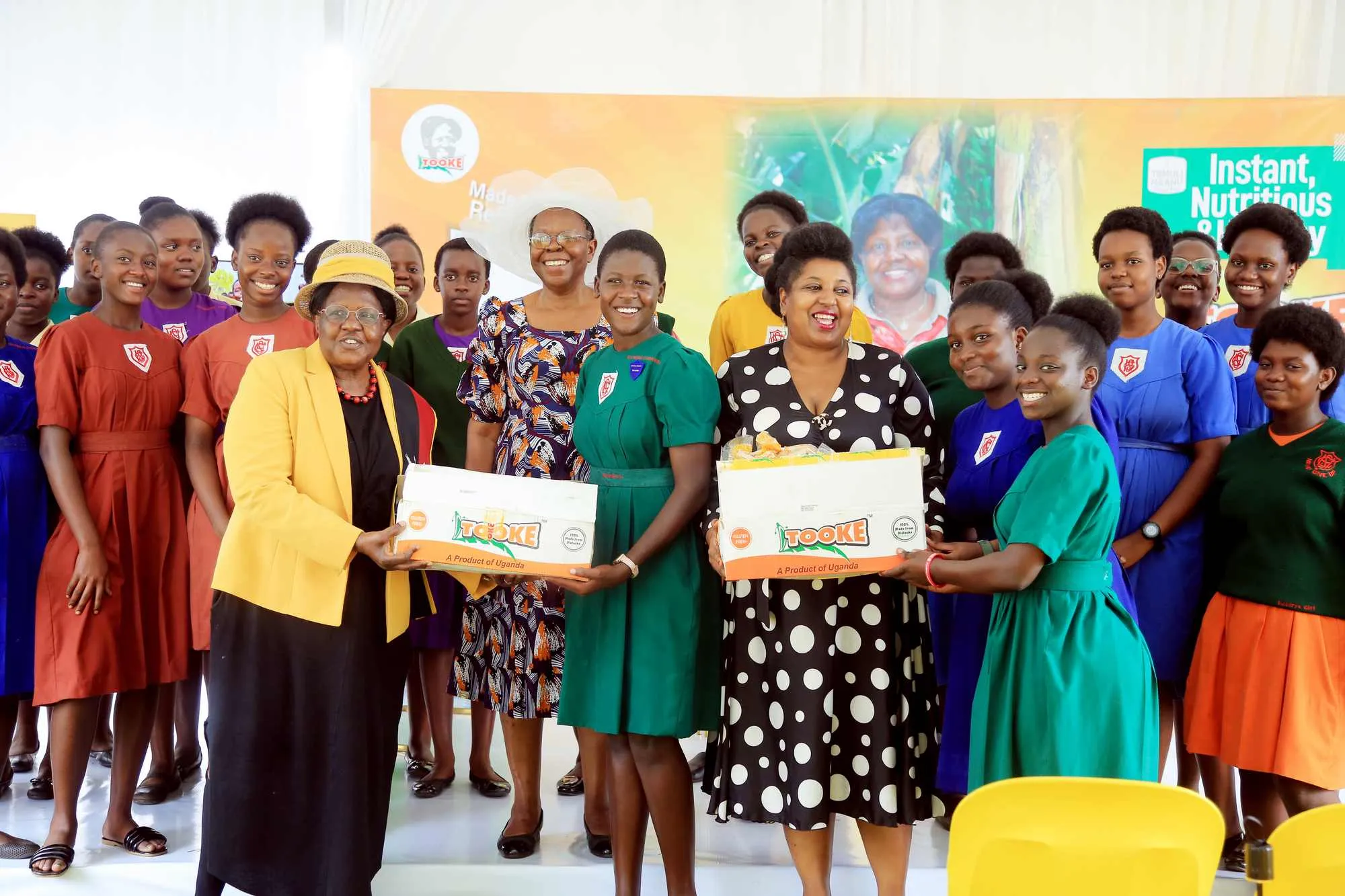
BIRDC partners with schools across Uganda to establish Tooke Clubs that introduce students to agricultural science, nutrition, food processing, and banana value addition.
These clubs give students a practical view of food science and entrepreneurship instead of treating agriculture only as classroom theory.
Ask BIRDC for the current retail, institutional and distribution list.
Confirm current country coverage, distributor and product availability before procurement.
Request destination-specific test, label and import documentation for the product concerned.
Confirm current distributor, certificate and import requirements for the destination.
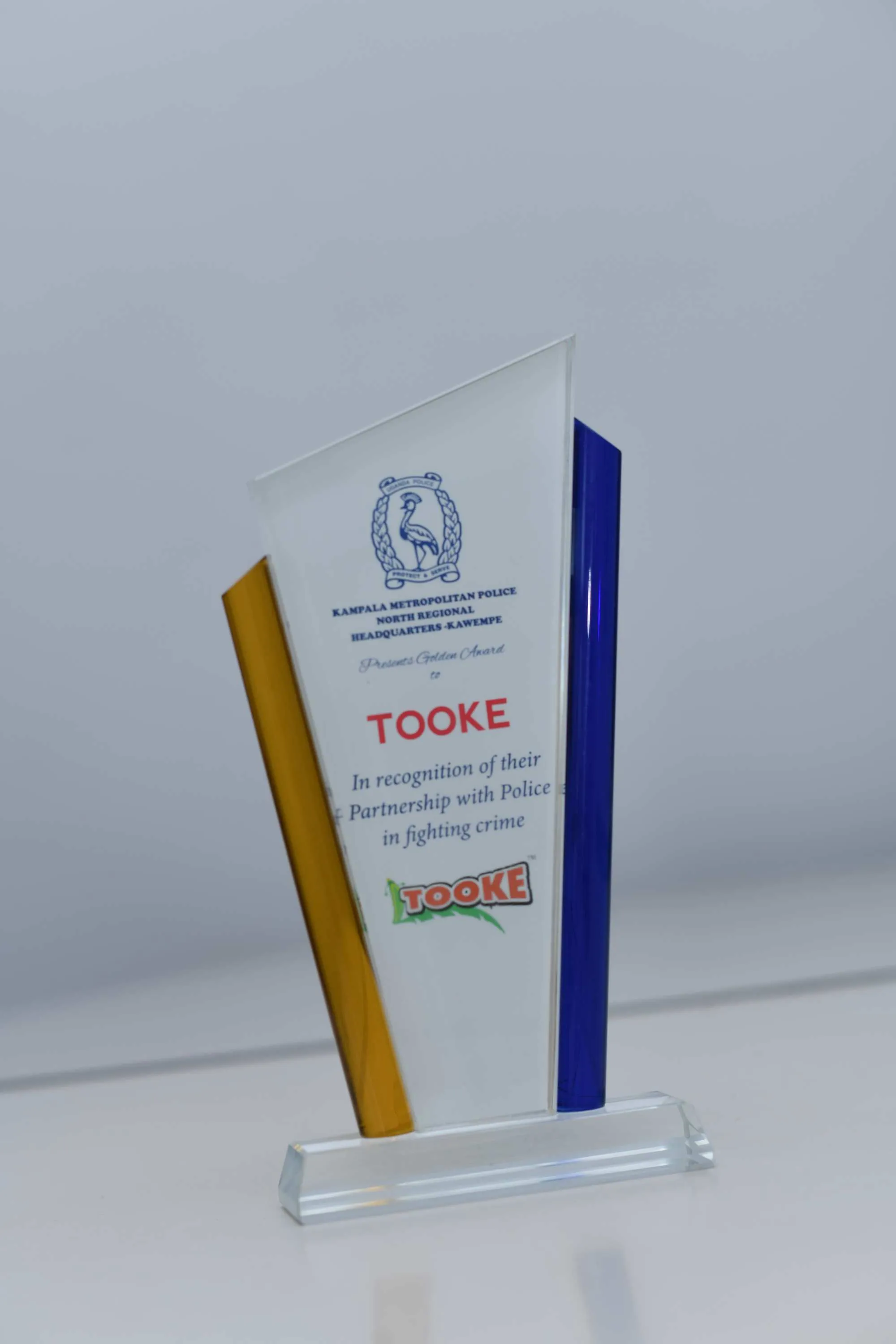
BIRDC has been recognised in national and international settings for work in agricultural research, food product development, and rural economic development. Formal awards, partner references, and dates can be supplied in procurement or donor-facing documents when required.
The most useful proof for partners is operational: the Bushenyi factory, quality assurance work, Tooke products, school initiatives, and public demonstrations of banana value addition.
Discover our Tooke products, research and processing work, photo gallery.
BIRDC works to reduce waste across the banana value chain. Beyond banana flour and baked goods, banana stems and leaves can be processed into banana fibre paper and other materials.
This circular-economy work is commercially useful when it creates additional product lines and reduces waste from processing. Buyers and partners should contact BIRDC for current fibre products and collaboration options.
Tell BIRDC whether your enquiry is about farmer training, product distribution, research collaboration, school clubs, or circular-economy materials.